
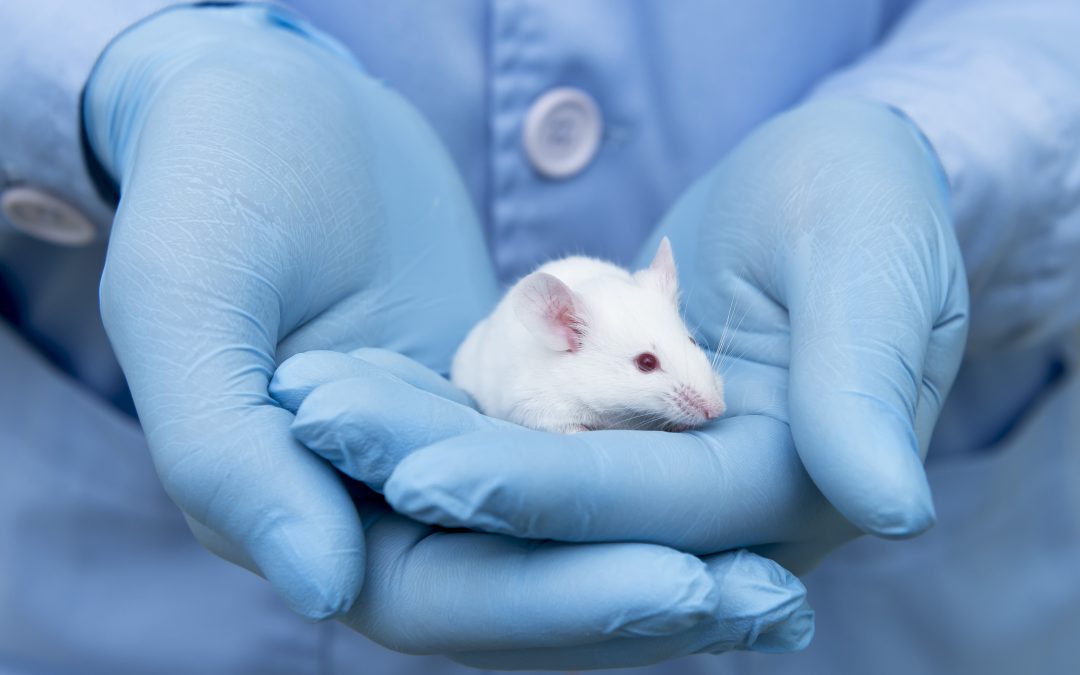
The woolly mammoth became extinct about 4,000 years ago, but advances in genetics have led researchers to explore the possibility of restoring some of its traits in the closely related Asian elephant. However, because elephants have long lifespans, long pregnancies, and are an endangered species, testing genetic changes directly in elephants would be both terribly slow and extremely ethically challenging. Mice, on the other hand, reproduce quickly and are well-established models for genetic research, making them perfect for evaluating how specific genes influence physical characteristics.
Last year, scientists at Colossal Biosciences in Dallas took an important step toward understanding how the woolly mammoth’s distinctive coat evolved by creating genetically modified mice with mammoth-like hair characteristics. Rather than attempting to directly engineer elephants, the researchers used mice as a faster and more practical model for testing combinations of genes associated with long, curly, woolly hair and other traits that may have helped mammoths survive in cold Arctic environments.
Using CRISPR gene-editing technology and related techniques, the team simultaneously modified up to seven genes involved in hair growth, hair texture, and hair color. Some of these genes were already known to affect mouse hair, while others were selected because similar versions were found in woolly mammoths but not in modern elephants. The researchers developed several editing methods that allowed them to introduce multiple genetic changes efficiently in a single generation of mice.
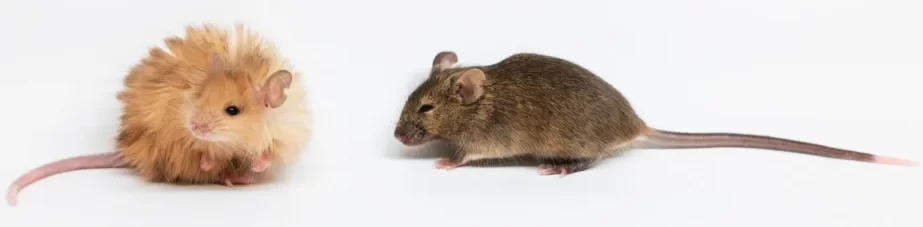
The resulting mice displayed a variety of striking characteristics. Many developed longer, curlier, rougher, or woollier coats than normal mice. Some also had golden-brown fur due to changes in pigmentation genes. Different combinations of edited genes produced different coat textures, demonstrating that complex physical traits are often controlled by several genes working together rather than a single genetic change. The researchers also found that their editing methods were highly accurate, with relatively few unintended genetic changes detected across the animals’ genomes.
Although the mice successfully reproduced several hair-related characteristics associated with mammoths, the authors emphasize that these animals are not “mini mammoths.” Hair is only one aspect of mammoth biology. Surviving in Ice Age environments also required changes to body fat, metabolism, circulation, and many other physiological systems that cannot be recreated simply by altering coat characteristics. In this study, the researchers also modified a gene involved in fat metabolism, but they did not observe significant differences in body weight, indicating that additional studies will be needed to understand how multiple traits interact.
Beyond de-extinction, this research demonstrates how modern gene-editing technologies can rapidly assess the functions of multiple genes at once. The new mouse models may help scientists better understand hair development, skin biology, and the genetics of adaptation to extreme environments. While the work provides valuable information for future efforts to engineer mammoth-like traits in elephant cells, it also highlights the complexity of recreating extinct animals. Restoring an extinct species involves far more than reproducing its appearance, requiring a deep understanding of the many interconnected genetic changes that shaped its biology.
For experiments involving mice or other rodents, Powers Scientific offers rodent chambers that are adaptable to a variety of environments. Our chambers offer a temperature and lighting-controlled environment with a temperature range of 6.5-40°C and 15 fresh air exchanges per hour. Each chamber comes equipped with features such as clock-controlled lighting, solid doors, an interior outlet and access port, doors locks, an audible/visual temperature alarm with relay, stainless steel construction, and casters. Many other options are available, including additional lighting, dual or multi-point temperature control for temperature stressing, and top-mounted or remote compressors. Our chambers are all built to order, allowing the individual researcher to tailor the incubator to fit the required parameters of the experiment without paying for features that are not needed.
For more information on our rodent incubators, see our product page, visit our contact page or call us at (800) 998-0500 and request a quote.