
Our Blog
Curious about the types of research and industrial applications our chambers can be used for? Here in our blog we write about interesting advances in fields where our chambers can be used.

Stability Testing Standards
The development of pharmaceuticals is a lengthy ordeal. Large amounts of time and money are devoted to the process of testing the efficacy of a new drug in patients. However, it is also important to test that the drug will remain effective after it has spent several...
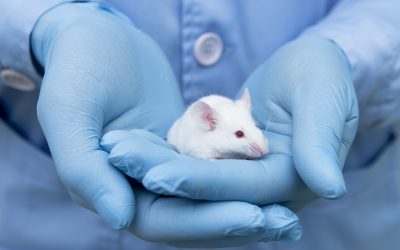
Searching for Answers to Alzheimer’s via the Microbiome
As medical technologies continue to develop, the average human life span is increasing along with them. The world population is getting older on average, a trend that will continue as members of the Baby Boom generation enter their later years. However, as humans live...
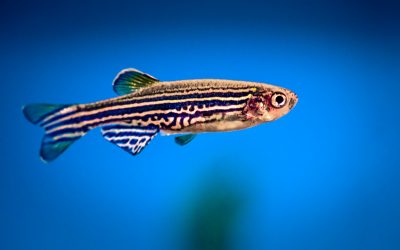
Zebrafish and the Microbiome
Human beings can never truly be alone. Even when apart from other humans, we still share our body with trillions of microorganisms. In fact, there are likely more non-human cells in your body than there are human cells; the most recent estimates of that ratio...

A Possibility of Prions in Plants
In the 1960’s, two researchers in London were investigating why diseases like scrapie and Creutzfeldt–Jakob disease (CJD) resisted ionizing radiation. What they hypothesized was that these diseases were caused by proteins, rather than a biological agent. However, it...

The Science of C. elegans
In 1963, Dr. Sydney Brenner, a South African biologist, went looking for a model organism to advance the study of biological development, specifically targeting the nervous system. What he found was Caenorhabditis elegans, or C. elegans for short. C. elegans is a...
Light Intensity in Rodent Incubators
Many rodents are nocturnal. However, even rodents that are active during the day tend to prefer darker areas. Most rats, for example, have adapted to be accustomed to spending daylight hours largely sheltered from light sources. This makes lighting control in habitats...